Safety MPY Y2 Interference Capacitor

The main function of the Y2 interference capacitor is to absorb and suppress electromagnetic interference signals by connecting to the power line, preventing these interference signals from entering other electronic equipment, thereby ensuring the normal operation of the equipment. They are commonly used in applications such as filtering, denoising, and suppressing high-frequency interference.

Y2 is used for AC power lines to suppress overvoltage and electromagnetic interference. Complying with IEC 60384-14 standard, Class Y2 is used for insulating unconventional power supplies.
Y2 safety capacitors can be widely used in various electronic equipment and electrical systems, such as household appliances, power adapters, lighting equipment, industrial control systems, etc. They can effectively suppress interference signals on the power line, provide stable power supply, and ensure the normal operation of the equipment.

product details

Y2 Capacitors 


Model

 GB/6346.14(IEC60384-14)   VDE/ENEC/CB/UL/CQC
 300V.AC  -40~110℃
 0.001 F~10.0 F  


Features


Metallized poly propylene film,non-inductive wound construction.


Good self-healing properties,withstanding over voltage capability.


Excellent active and passive flame resistant capability and moisture resistant capability.


Applications


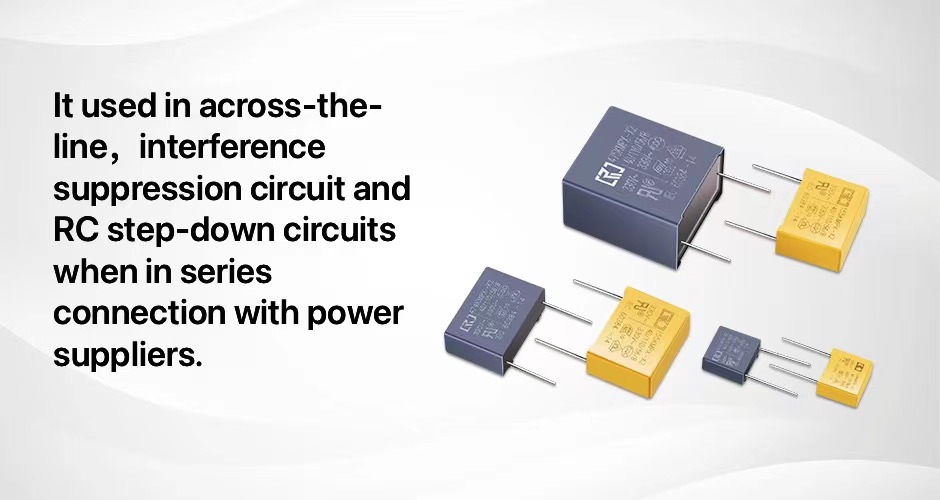
Used in across-the-line,interference suppression circuit


Used in RC voltage-reducing circuits when in series connection with power supplies.


Automotive Capacitor Application Scenario Diagram

Y2 interference capacitors have good temperature characteristics within a certain temperature range and can maintain stable performance in different working environments.
Rigorously tested and certified to safety standards for use in circuits connected directly to AC power lines.
Metallized polypropylene films are usually used as dielectrics, which have small size and high capacitance stability.

Characteristics Of Film Capacitor

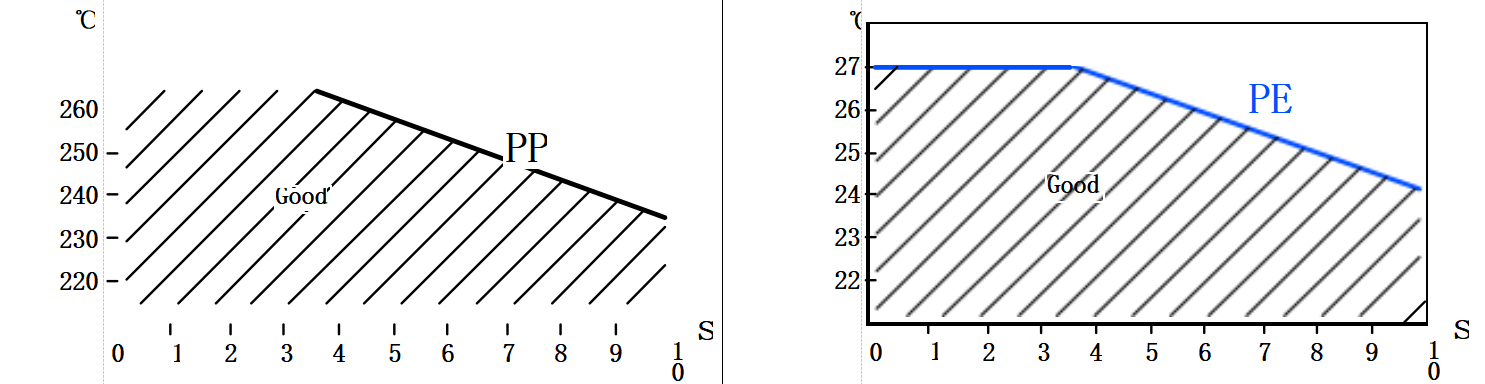
1. Comparison of welding temperature and time Soldering Temperature VS Time

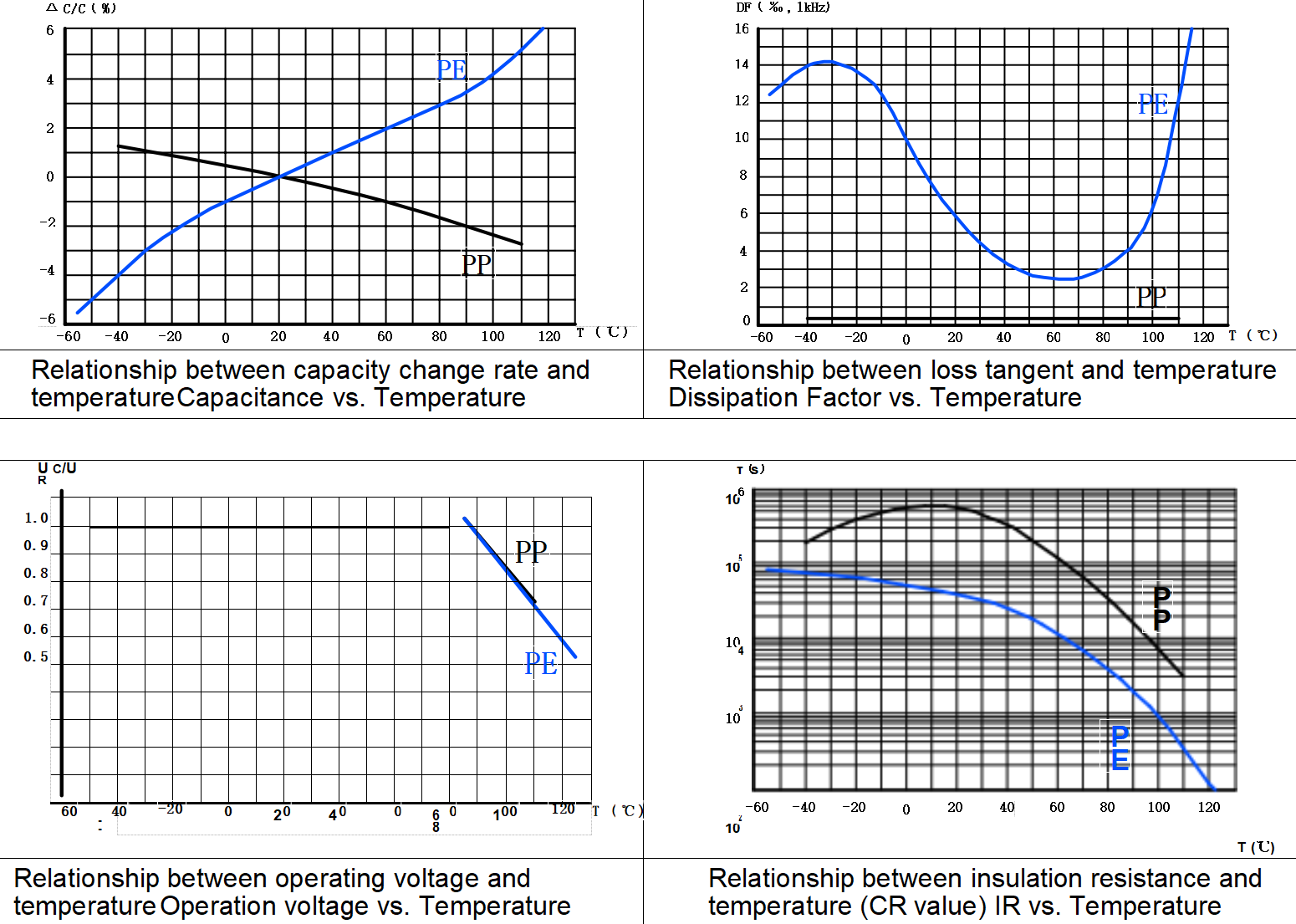
2. Temperature characteristics Temperature Characteristic

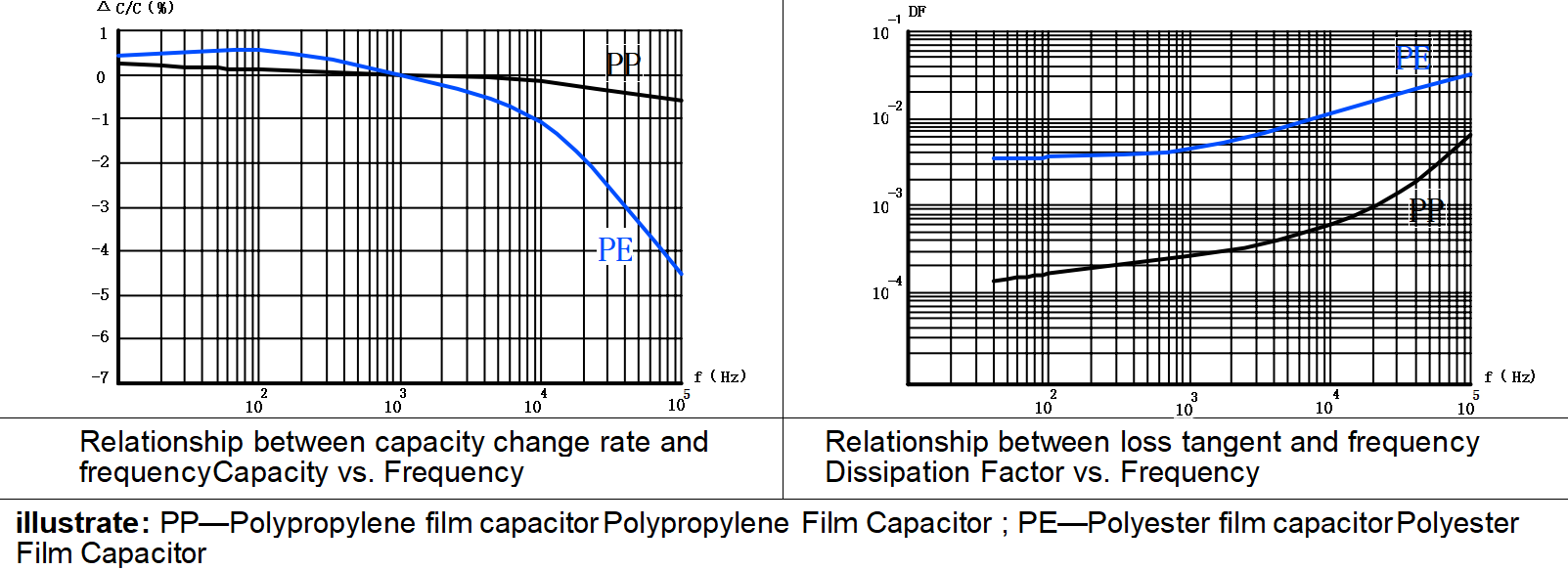
3. Frequency performance Frequency Characteristics