|
Model |
GB/T 17702-2013 | IEC61071-2017 |
| 200~450V.AC | -40~105℃ | |
| 1 ~50 μF | ||
|
Features |
High withstanding voltage capability, low dissipation. |
|
|
High pulse current capability. |
||
|
High dv/dt strengh. |
||
|
Applications |
Widely used in power electronics equipment for AC filtering. |
|
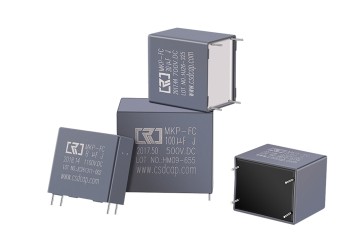
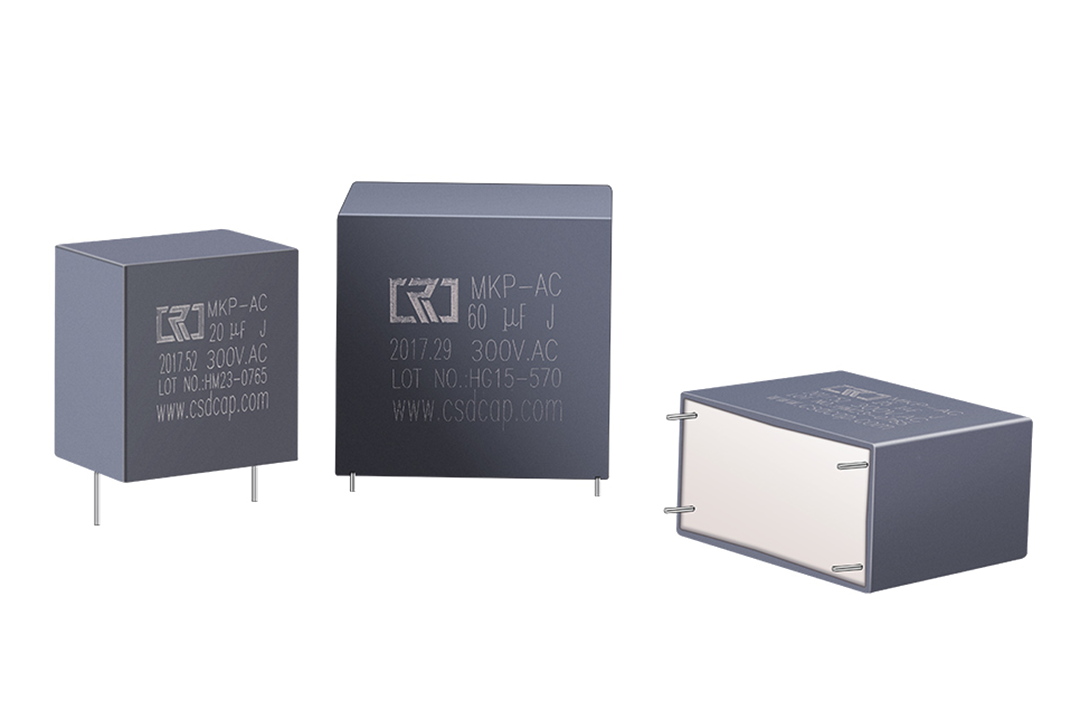
Introducing our high-quality AC filter capacitors, whose impressive specifications are designed to meet the needs of power electronics. With a capacitance range of 2-50uF and a voltage range of 200-450V AC, this capacitor can withstand the rigorous demands of AC filtering applications. It operates effectively in a temperature range of -40 to 105℃, making it a reliable choice for a variety of industrial and commercial uses.
One of the key features of MKP-AC-Filter Capacitors is their high pulse current capability. This makes them suitable for applications where sudden surges in current are common, providing a reliable and stable filtering solution. Moreover, their high dv/dt endurance ensures that they can effectively handle rapid voltage changes, maintaining a consistent and stable output.
AC filter capacitors are designed with durability and performance in mind. It has a high withstand voltage capability, ensuring stable operation even in demanding electrical environments. In addition, its low dissipation characteristics help improve energy efficiency and reduce heat generation, making it a cost-effective solution for long-term use.
Switched capacitor filter are designed to meet the stringent requirements of AC filtering in power electronics and industrial sectors. With their high withstand voltage, they can withstand the rigors of industrial environments, ensuring uninterrupted operation. In addition, their low loss characteristics make them highly efficient, helping to save energy and reduce operating costs. Complying with IEC61071-2017 and GB/T 17702-2013 standards, the capacitors are the ultimate solution for AC filtering in various applications.
These capacitors are also known for their reliability and service life, making them an affordable choice for industrial applications. Their rugged construction and high-quality materials ensure a long service life, reducing the need for frequent replacement and maintenance.
Film capacitors, including MKP-AC-Filter capacitors, are widely used for AC filtering in power electronics equipment and industrial sectors due to their superior performance and durability. They play a vital role in ensuring the smooth and efficient operation of various electrical and electronic systems, making them an indispensable component in modern industrial applications.
MKP-AC-Filter capacitors are ideal for AC filtering in power electronics equipment and industrial sectors. With their high withstand voltage, low losses, high pulse current and high dv/dt durability, they provide a reliable and effective solution for demanding applications. By choosing MKP-AC-Filter capacitors, industries can ensure optimal performance and service life of their power electronics equipment, thereby helping to improve overall operational efficiency and save costs.
 Lifetime expectancy vs. Charging temperature
 Lifetime expectancy VS. Charging voltage
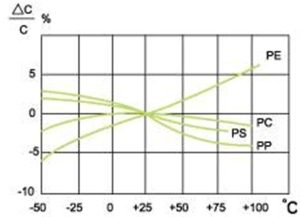 Capacitance change rate vs. Temperature
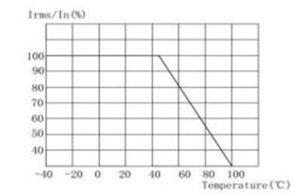 Operating current vs. Temperature
 Operating voltage vs. Temperature
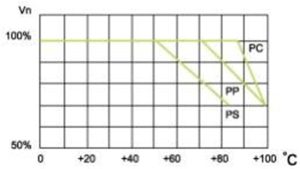 (CR value) IR vs. Temperature
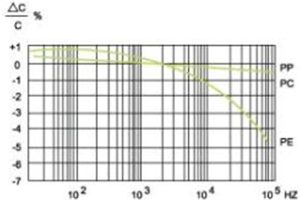 Capacitance change rate vs. Frequency
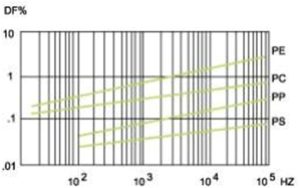
Dissipation factor vs. Frequency